
Prepare Your Property for What Comes Next
Efficient land clearing in San Marcos for residential lots, commercial sites, and development projects.
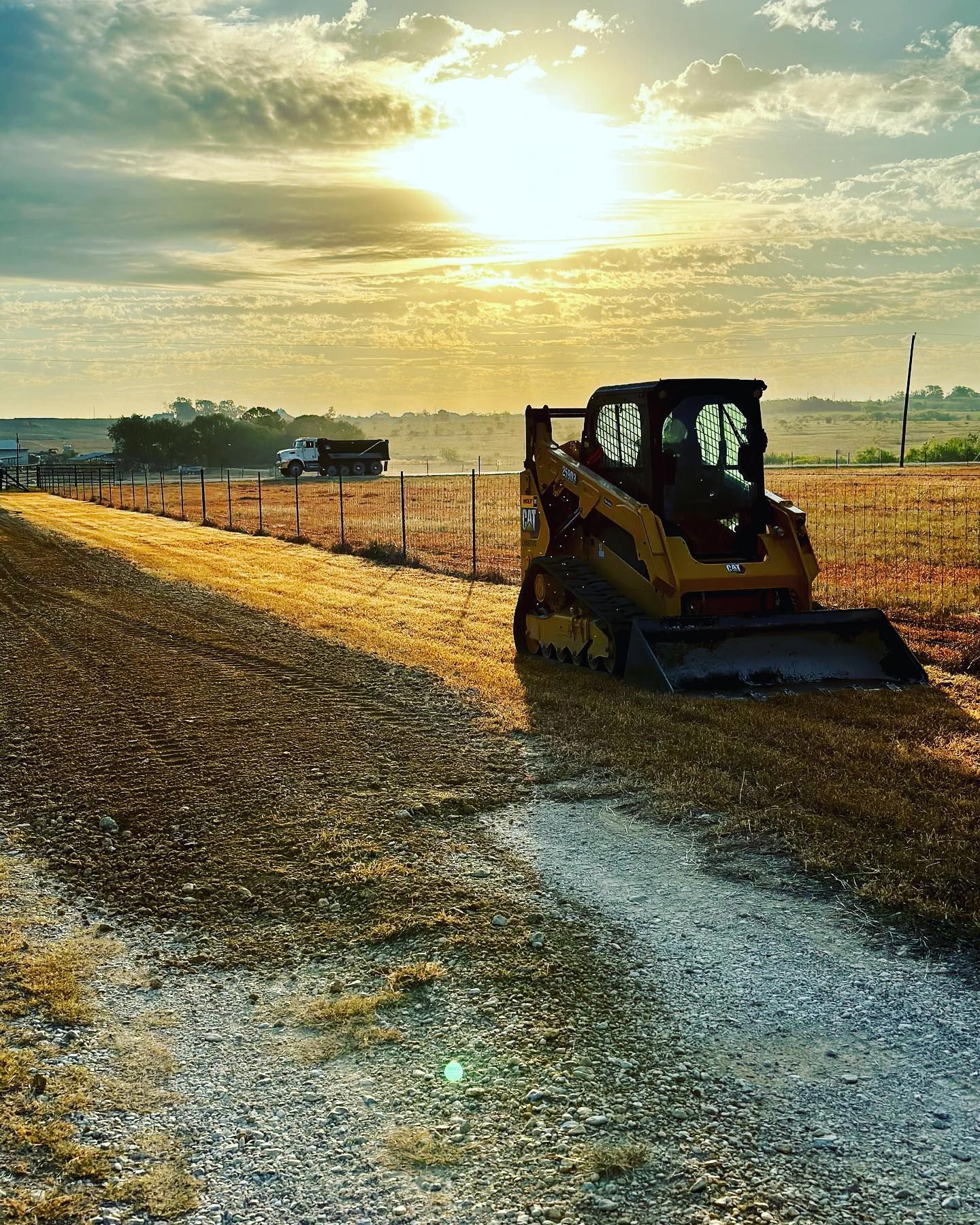
When your property in San Marcos is covered with overgrown brush, fallen trees, or dense vegetation that blocks access or prevents construction, land clearing removes those obstacles and leaves a clean, graded surface ready for building. You might need clearing before pouring a foundation, installing utilities, or creating roadways that connect different areas of your land. Anderson Contracting uses equipment sized for the job to remove trees, stumps, brush, and debris without damaging surrounding areas or leaving behind material that interferes with grading.
Land clearing involves cutting and removing vegetation, grinding stumps below grade, and hauling away debris so the site can be graded or built on. The process varies depending on lot size, density of growth, and what you plan to build, but the result is always a clean surface that equipment can access and work on safely. Residential lots are cleared to make room for homes, driveways, and septic systems, while commercial sites are prepared for buildings, parking areas, and stormwater management. Initial site evaluations are available with free estimates to assess the scope of work and plan for any grading or drainage adjustments needed after clearing.
If you are ready to clear your San Marcos property for construction or development, contact Anderson Contracting to schedule a site evaluation and discuss the timeline and equipment required.
What Equipment and Steps Turn Raw Land Buildable
Your clearing project in San Marcos begins with an assessment of tree density, terrain, and access points, followed by the use of bulldozers, excavators, and mulchers to remove vegetation and level the ground. Trees are felled and cut into manageable sections, stumps are ground below the surface, and brush is mulched or hauled off depending on local disposal options. The crew works systematically across the site to avoid damaging areas you want to preserve or creating unnecessary disturbance beyond the clearing zone.
After clearing, you will notice that the land is flat enough for grading equipment to move across it, and that large roots and debris no longer block excavation or utility trenching. The soil surface is free of organic material that would decompose under a foundation or roadbed, and access routes are wide enough for concrete trucks or material deliveries. You can walk the entire site without tripping over stumps or pushing through undergrowth.
Land clearing works best when scheduled before other sitework begins, as it creates the blank slate needed for excavation, grading, and utility installation. The service does not include final grading or soil amendments, but it removes all obstacles that would slow down or complicate those tasks. Crew size and equipment type are matched to the acreage and density of growth to keep the project moving efficiently.
Most People Ask These Before We Start
Property owners in San Marcos often ask about tree removal limits, debris disposal, and how clearing affects drainage, so we have answered the most common concerns below.
Anderson Contracting clears land across San Marcos properties where owners need a clean, accessible site ready for construction or development. Get in touch to walk the property and review the scope, equipment, and timeline needed to prepare your land for what comes next.