Precision Digging That Supports Every Build Phase
Accurate excavation services in San Marcos for foundations, utilities, and infrastructure projects.
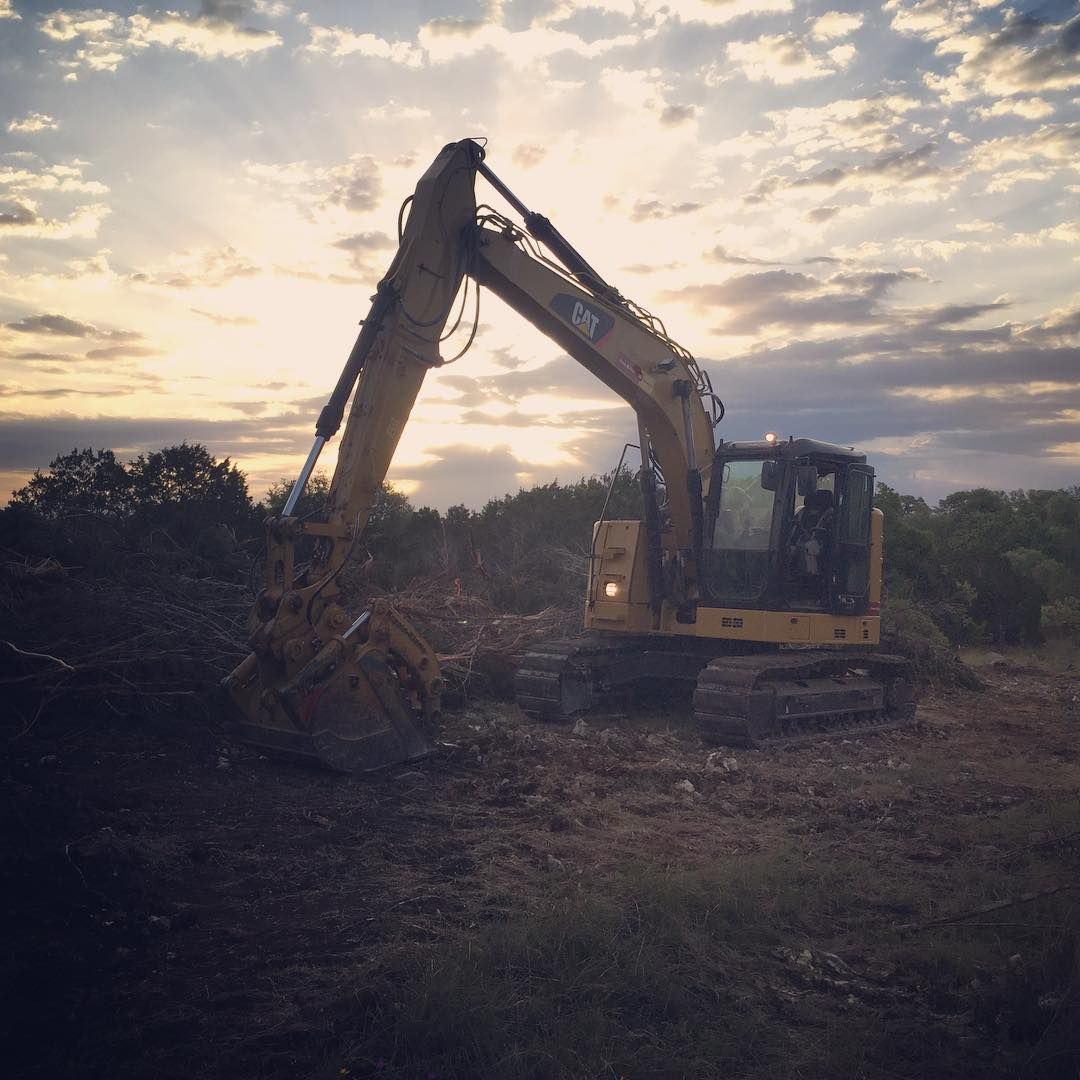
When you need a foundation trench dug to exact depth or a utility line routed under your driveway in San Marcos, excavation work determines whether the rest of your project proceeds smoothly or runs into costly delays. You depend on operators who know how to read grade stakes, avoid underground lines, and handle clay soil that becomes sticky when wet or rock-hard when dry. Anderson Contracting uses excavators and backhoes to dig footings, trenches, and building pads with the precision needed for foundations that stay level and utilities that drain correctly.
Excavation includes digging and removing soil to create space for concrete footings, underground plumbing, electrical conduit, or roadbeds that require compacted base material. The process starts with locating existing utilities to avoid damage, then setting grade stakes that guide depth and slope. Experienced operators work carefully around property lines, septic systems, and trees you want to preserve while moving enough soil to meet engineering plans. Excavation is integrated with sitework and land preparation so the equipment and crew can shift between tasks as the project progresses. Pre-project planning ensures that excavation happens at the right stage without waiting on other trades or reworking areas that were already finished.
If you need excavation for a foundation, utility trench, or infrastructure project in San Marcos, contact Anderson Contracting to review your plans and schedule the work at the correct phase of your build.
Why Depth Control and Soil Handling Matter
Your excavation project in San Marcos begins with utility locates and grade stakes set by a surveyor or engineer, followed by careful digging that follows depth and slope requirements for the foundation or trench. Operators use laser levels and measuring tools to check depth as they dig, and soil is stockpiled in areas where it can be backfilled later or hauled away if unsuitable for reuse. Trenches are dug wide enough for workers to install forms or pipe, and footings are excavated to undisturbed soil that can support the weight of the structure above.
After excavation, you will notice that foundation trenches are level and square, and that utility lines have the correct slope for drainage or fall. The soil at the bottom of the trench is firm and compacted, not loose or muddy, which prevents settling that could crack concrete or shift pipes. You can see grade stakes still in place along the trench edges, confirming that the excavation matches the engineered plans.
Excavation works best when scheduled after clearing and grading but before concrete or utility installation, as the sequence prevents equipment from damaging finished work or compacting soil in areas that still need digging. The service does not include concrete forming or pipe installation, but it creates the precise openings needed for those trades to work efficiently. Operators handle challenging soil conditions such as heavy clay or shallow bedrock by adjusting equipment and technique to maintain accuracy without delaying the project.
You Are Not the First to Wonder About This
Homeowners and contractors in San Marcos often ask about depth accuracy, soil disposal, and how excavation affects nearby structures, so we have addressed the most common concerns below.
Anderson Contracting digs foundations and utility trenches across San Marcos properties where accuracy and timing are critical to keeping construction on schedule. Learn more by reaching out to discuss your project plans, soil conditions, and the excavation depth needed for your foundation or infrastructure work.